It’s the tail end of the baby bird season and, like the gulls, many of our young patients are getting ready to leave us. Releasing wild birds is something Le Nichoir works very hard on to get right. It also provides us with an overwhelming amount of joy, as it also does for the birds!
A successful release involves taking many factors into consideration and an understanding of a bird’s natural history. These factors include: species, time of year, weather, dietary needs and habitat. With adult birds, we try our best to release back where the patient was found. The goal is to release birds where populations of the species already exist to avoid the introduction of a new species in an area, and to reduce the chance of disease spread. Releasing with similar species provides an opportunity for our former patients to imitate wild birds in their natural habitat, and direct them to natural food sources and even mating candidates.
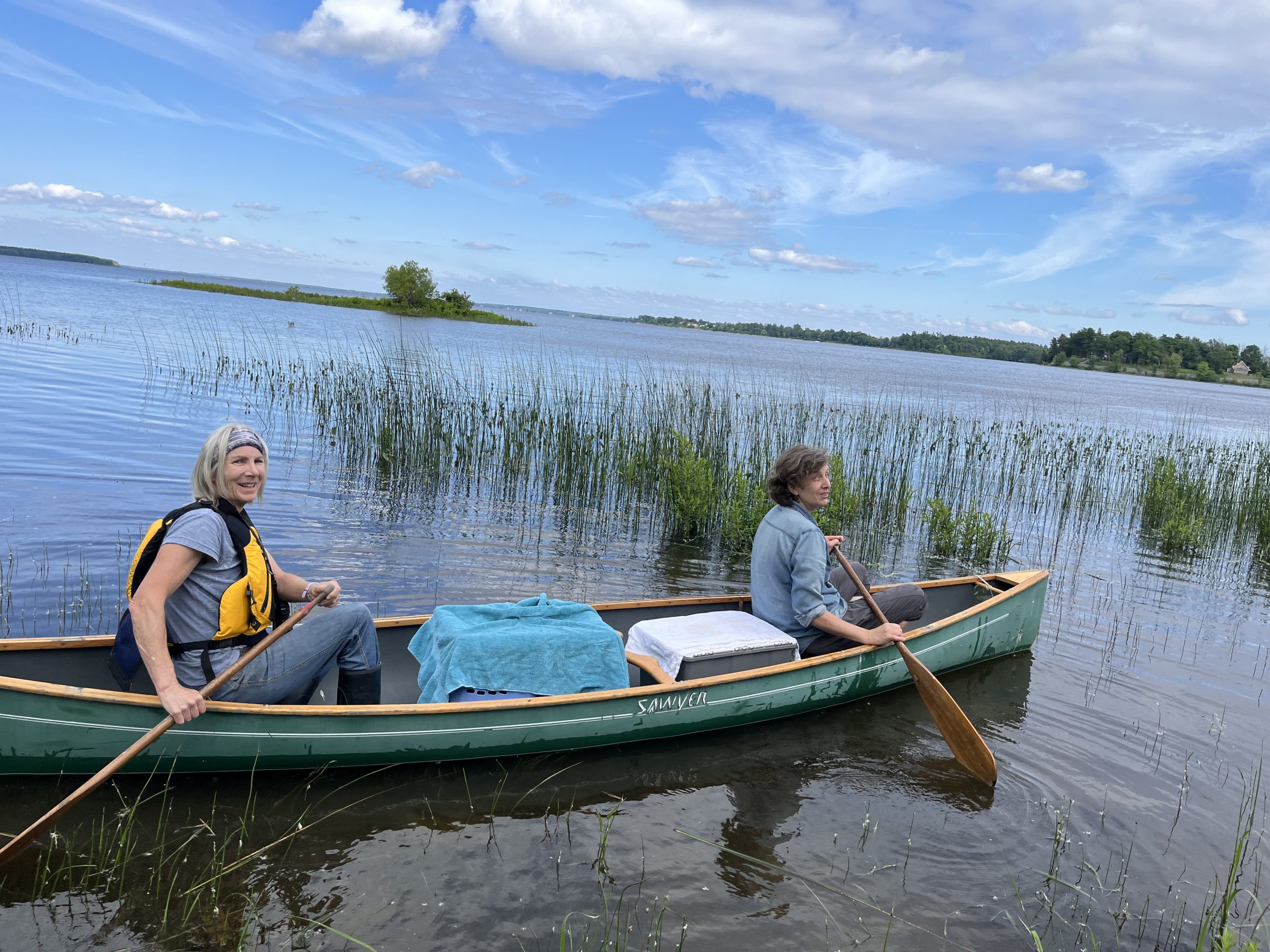
In some cases, we have to go to great extents to ensure wild bird patients are released in suitable habitats. For example, using a canoe to locate wild geese with goslings in order for the parents to foster orphans, climbing ladders to reunite young with their parents, and going on school roof tops to access chimney swift roosts. Some of our releases are “banded”, which can provide feedback on the success of the release, and suggest obstacles our current patients are facing in the wild.